Skip to content

kirukkal.com

  • about
  • archive
  • all that is
  • photoblog
  • May 8, 2025

    Thalapathi: A Brother in the Dark

    This essay is part of the Pesum Padam – Mani Ratnam Retrospective Series and revisits Thalapathi. Watch the retrospective on youtube.

    Shakespeare wrote three great tragedies, Hamlet, Macbeth, and King Lear. The last of these, a bleak study on age, inheritance, and madness, was reimagined by Akira Kurosawa into Ran, a Japanese war epic where a once mighty patriarch walks away from the burning palace he built, reduced to ash by his own choices. Many centuries earlier in India, another sprawling epic, the Mahabharata, had explored, among other major themes, the same questions of loyalty, fate, and the human cost of power.

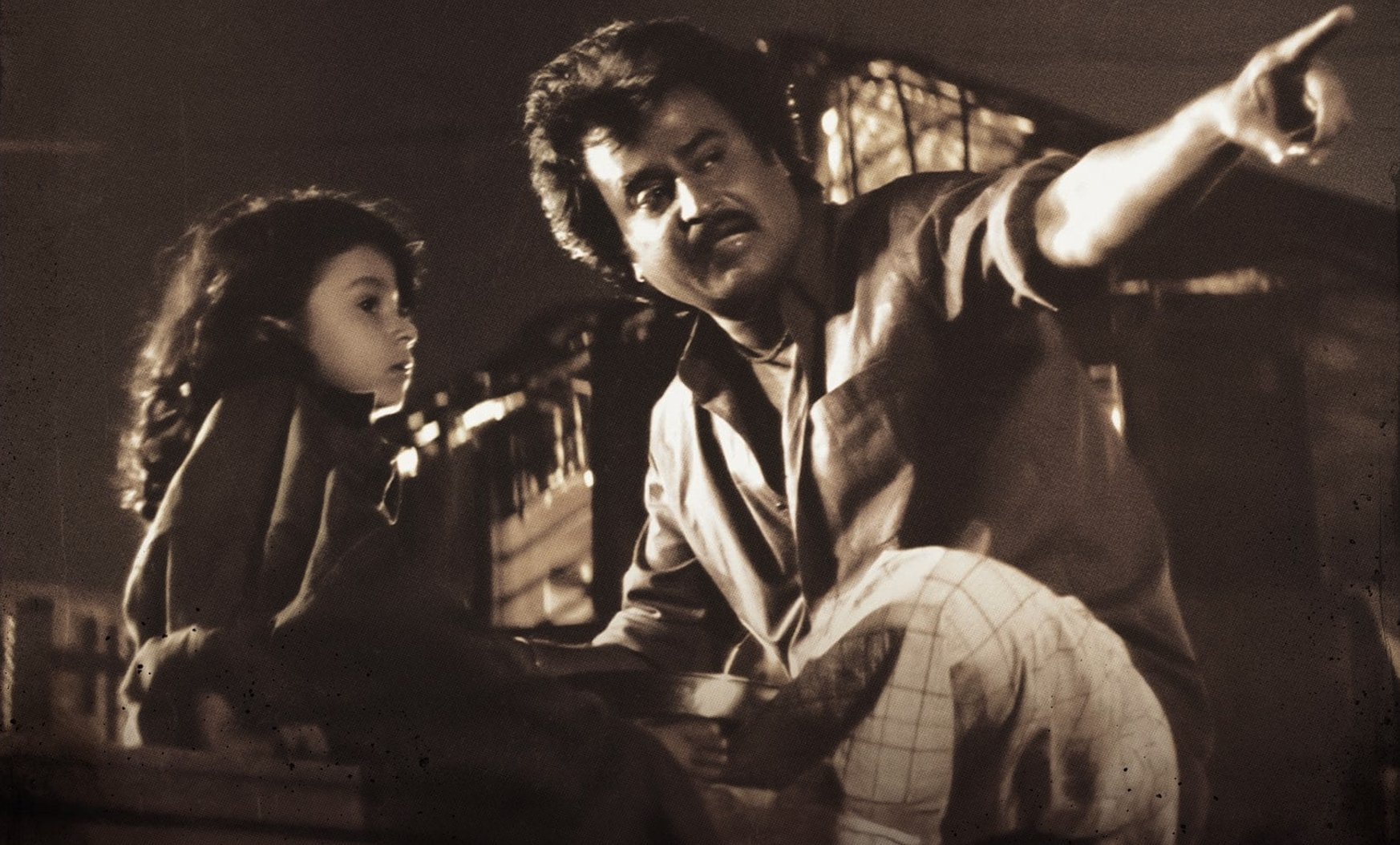
    I thought of both these stories while rewatching Thalapathi, Mani Ratnam’s 1991 interpretation of the Mahabharata through the eyes of its most wounded soul, Karna. Unlike Ran, this film opens not in a palace, but on a dirt path in a nameless village. A girl arrives on a bullock cart, heavily pregnant and barely fourteen. The year is 1959. It is the festival of Bhogi, when people discard the old to welcome the new. But this girl isn’t discarding an old sari or a broken stove. She’s discarding her future. She gives birth in a wooded patch and, in shame, places her child in a goods train. A newborn, wrapped in yellow cloth, left among sacks of grain. As the train rumbles into the sepia night, the girl runs behind it, too late.

    I was thirteen the first time I saw Thalapathi. I didn’t know this was a retelling of the Karna story. I didn’t even know what Mahabharata really meant, other than that it was one of those stories they showed on Doordarshan on Sunday mornings, narrated slowly in Hindi-laced Tamil.

    Karna, the Mahabharata’s tragic warrior, was a child born to royalty but abandoned at birth, raised by a charioteer’s family, and ultimately bound by loyalty to the very forces that would doom him.

    In the years since, I’ve read Rajaji’s abridged Mahabharata. I’ve read Cho’s explanatory version named Mahabharatham Pesukirathu in Thuglak. I’ve spent years reading Jeyamohan’s Venmurasu, his 26,000-page epic retelling every corner of the myth. And each time, I’ve come back to Thalapathi, because Mani doesn’t just adapt the Mahabharata. He examines it with empathy and precision. He finds the fault lines and climbs inside them. Where Vyasa ends Karna’s story with silence, Mani picks up the pen and writes what comes after. Because in Thalapathi, Karna lives a little longer. Long enough to cry for his brother-friend. Long enough to love. And Mani doesn’t place him on a chariot. He puts him in a slum.

    Rajinikanth’s Surya is a man born unwanted, raised without a name, and cast out by systems that insist on origin stories. He doesn’t wear divine armor. His protection is rage. His righteousness comes from hunger, his own, and that of those around him. When he meets Deva (Mammootty), the Duryodhana figure, it isn’t a moment of destiny. A wealthy man reaches across caste and class to give him what the world refused: a name, a position, and above all, loyalty. That’s the heart of Thalapathi. It’s not about Kurukeshtra war rather finding out where you belong.

    I still remember watching it for the first time, one day before Diwali in 1991. A preview show at Chetpet’s Ega theatre. I was there with my friend Manikandan, two teenage boys seated somewhere in the front rows, holding our breath. And as the frames unspooled I felt something new. This wasn’t just a Rajini film. It also wasn’t just a Mani film. It was something harder to define. An epic tale carried by hand into the 90s, re-dressed in cotton shirts and bata sandals.

    Rajinikanth had always been larger than life. But in Thalapathi, he shrinks himself. He lets Surya breathe. Gone are the punchlines and the sunglasses. Mani shoots him in slanted light and silence. You don’t see a hero. You see a man. A man who curls into his mother’s lap and whispers, “Why did you throw me away?” And that, more than the action scenes, is the moment that breaks you.
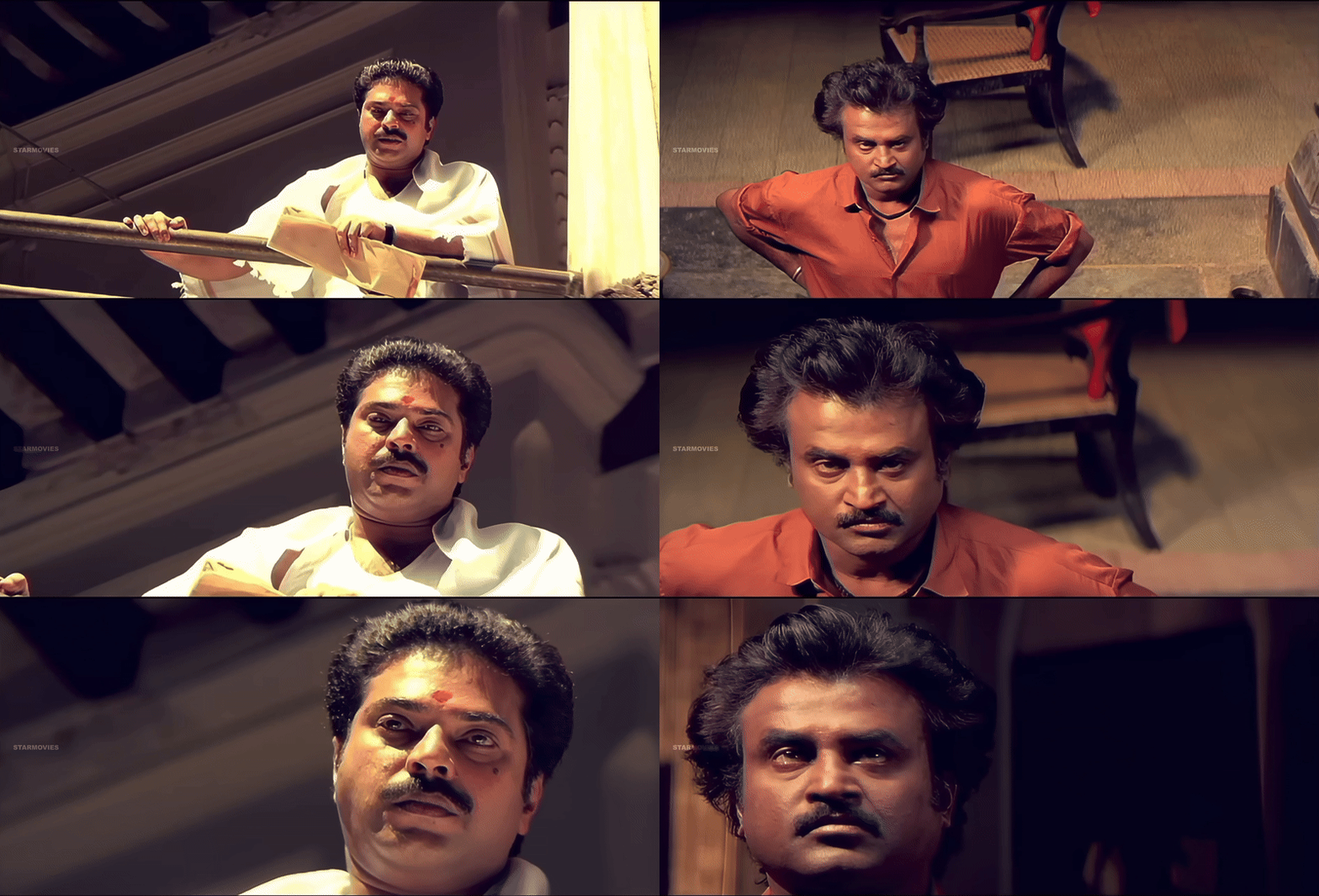
    Santosh Sivan’s camera work feels both painterly and instinctive. Every frame feels carved, not shot. The close-ups are uncomfortably intimate. There’s an unforgettable overhead crane shot when Deva learns that a young girl in the slum has hanged herself. The camera floats, unblinking, as grief and fury pass between him and Surya. Mani, Raaja and Santosh create visual poetry out of moral discomfort.

    And Ilaiyaraaja’s music, what can be said that hasn’t been said before? This is not just a soundtrack but also the bloodline of the film. Yamunai Aatrile is Surya’s only glimpse of peace. Chinna Thaai Aval plays like a lullaby soaked in longing. But nothing, nothing, prepares you for Sundari Kannal Oru Sethi.

    A song so cinematic, it feels like a film within a film. Inspired by Kurosawa’s war sequences, the song imagines a life Surya will never live: palaces, processions, princely love. The camera sweeps through impossible luxuries. The orchestration is majestic. But at its heart, the sequence is pure hallucination. It’s a dream that will collapse into ash. This is what could have been, and what can never be.

    When Deva learns that Surya’s real brother is the collector who’s trying to bring them down, he doesn’t flinch. He doesn’t feel betrayed. He feels proud. “You knew,” he says. “And still you stood by me.” The myth would have made this a moral dilemma. Mani makes it an act of love here.

    Thalapathy was released on the same day as Kamal Haasan’s Guna, two titans of Tamil cinema, two of Ilaiyaraaja’s greatest soundtracks, two impossible roles played with ferocity. The audio cassette of Thalapathi was released with six different covers, a first in Indian cinema, turning it into a collector’s dream. I myself had three of them, folded like a poster.

    And yet, despite all this firepower, Thalapathi is not a loud film. It is quietly devastating. It is a story about abandonment that chooses not to end in abandonment.

    The final scene doesn’t unfold in a palace or a battlefield. It happens at a railway station. Arjun leaves the town with Subbalakshmi. The mother who once gave Surya away choose, this time, to stay behind, with him. The boy once discarded by a train is now embraced, and chosen.

    Before I close, let me say something about Karna.

    He is one of the most haunting characters in Indian literature. A child born of divine mistake, a warrior caught between blood and belonging, a man whose loyalty outlived his identity. In Vyasa’s epic, Karna is not framed as evil. He is framed as tragic. Not because he was wrong, but because he was never allowed to be right. And that, perhaps more than any other thread, is what makes his story linger, drawing playwrights, filmmakers, and novelists back to him, again and again. But while most tellings only mourn him, Mani dares to ask, what if mourning wasn’t the only option?

    The Mahabharata was never wrong. It was complete, for the world it was written in. But our world has changed. So he doesn’t rewrite the Mahabharata. He brings it home to our time. And in doing that, he gives Karna something the epic never did, a life that matters. That quiet act of grace, pulling a shadowed hero into the light, may be Mani Ratnam’s most powerful ending.

  • May 3, 2025

    இன்ன பிற – சர்வம் ஏ.ஐ மயம்

    ஏ.ஐ வரைந்த நாய்க்குட்டிகள்

    2021 ஆகஸ்ட் மாதம் ஒரு நாள் ஓப்பன் ஏ.ஐ. என்ற வலைதளத்தில் GPT 3.0 என்று ஒன்றைப் பற்றி படித்தபோது, கொஞ்சம் புரிந்த மாதிரி இருந்தது; இது தான் வருங்காலம். அப்போதைக்கு அந்த வலைதளத்தில், குட்டியாக ஒரு டப்பாவில் “ஐநூறு வார்த்தைகளுக்கு மிகாமல் சென்னை வெப்பத்தைப் பற்றி எழுதவும்” என்றால், மடமடவென்று எதையோ கிறுக்கித் தள்ளிவிடும் அளவுக்குத்தான் இருந்தது ஜெனரேடிவ் ஏ.ஐ. அப்போதே அதைப் பற்றி எழுத வேண்டும் என்று நினைத்துக் கொண்டிருந்தேன். பிறகு நவம்பர் 2022ல் GPT 3.5 வெளியாகி, ஊரே களேபரமாகி, ஷேக்ஸ்பியர் வெட்கப்படும் அளவுக்கு எல்லோரும் ஆங்கிலத்தில் புலவர்களாகி, ஜனத்துக்கெல்லாம் வேலை காலியாகிவிடும் என்று பயந்து, என்விடியாவின் பங்குகள் எல்லாம் பறந்து, உலகத்தின் மிக முக்கியமான நிறுவனம் என்றாகியும், இன்னமும் பாதி பேர் “ஜெனரேடிவ் ஏ.ஐ.ன்னது ஜஸ்ட் புருடா” என்று நம்பிக் கொண்டிருக்கிறார்கள்.

    இரண்டரை வருடங்களாக நாளொரு மேனியும் பொழுதொரு வண்ணமும் இதில் வேலை செய்பவன் என்கிற முறையில், ஏதாவது ஜல்லி அடிக்கலாம் என்று தோன்றியதால், ஒவ்வொரு வாரமும் இந்த ஏ.ஐ.யைப் பற்றி கொஞ்சம் எளிமையாக எழுதுகிறேன். ஜல்லி என்று சொன்ன பின், இது சரி, இது தப்பு என்றெல்லாம் சண்டைக்கு வராதீர்கள். இந்த வாரம், ஜெனரேடிவ் ஏ.ஐ. தோன்றிய கணம் – ஆராய்ச்சியாளர்கள் கணினிக்கு உலகத்தைப் பற்றி கற்றுக் கொடுத்துக் கொண்டிருந்தார்கள். “இதோ பார், இந்தப் படத்தில் இருப்பது நாய்க்குட்டி, இதோ இதுவும் ஒரு நாய்க்குட்டி, இதுவும் கூட.” இப்படியே பல லட்ச நாய்க்குட்டிப் படங்களைப் பார்த்துப் புரிந்து கொண்ட பின்னர், அந்த கணினியிடம், “இத்தனை நாய்க்குட்டிகளைப் பார்த்தாய் அல்லவா, எங்கே நீயே ஒரு நாய்க்குட்டியை வரைந்து காட்டு பார்க்கலாம்.” அப்போது அந்தக் கணினி மனிதர்களைப் போலவே தட்டுத் தடுமாறி ஒரு நாய்க்குட்டியை வரைந்தது. அடுத்தது பூனைக் குட்டி, பிறகு மனிதர்கள், பிறகு மனிதர்கள் எழுதிய புத்தகங்கள் என்று, படிப்படியாக உலகத்தைப் பற்றி கொஞ்சம் கொஞ்சமாக புரிந்து கொள்ள ஆரம்பித்தது.

    இப்படி ஒன்றைப் படித்தோ பார்த்தோ, கணினியின் அறிவு வளர ஆரம்பிக்க, அதை செயற்கை நுண்ணறிவு அல்லது A.I. என்று சொல்ல ஆரம்பித்தார்கள். எப்போது தனக்கு புரிந்த விஷயங்களை வைத்துக் கொண்டு இல்லாத ஒன்றைப் புதிதாக படைக்க ஆரம்பித்ததோ, அதை GenAI அல்லது generative AI என்று சொல்ல ஆரம்பித்தார்கள்.


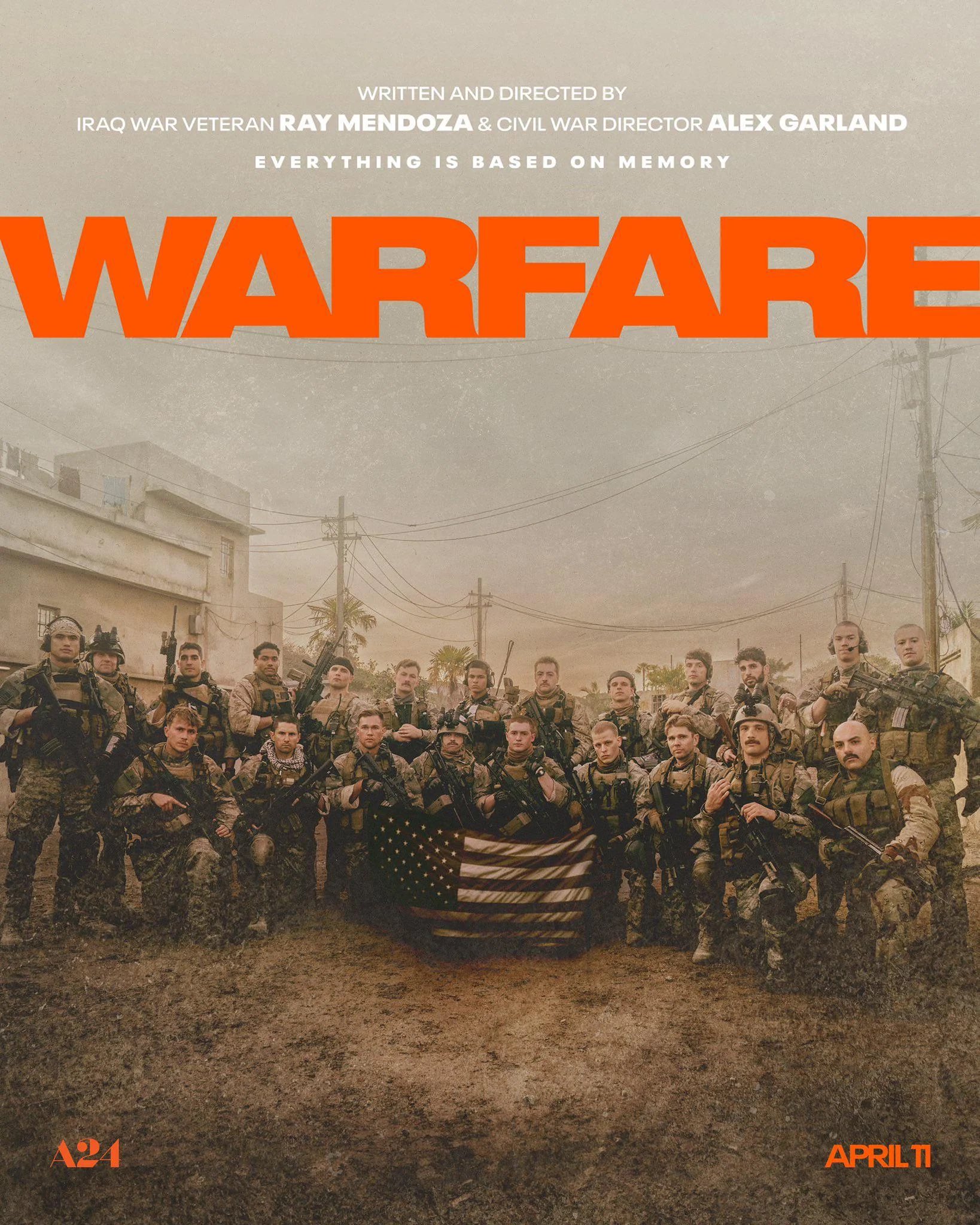
    Alex Garland’s Warfare

    இதை எழுதிக் கொண்டிருக்கும் நேரத்தில் உலகில் ஒன்றிரண்டு போர்கள் நடந்து கொண்டிருக்கின்றன. எங்கோ எதற்காகவோ ராணுவங்கள் மோதிக் கொண்டிருக்கின்றன. யாரோ யாரையோ துப்பாக்கியாலோ பீரங்கியாலோ சுட்டுக் கொண்டிருக்கிறார்கள். இதற்கும் நாம் வாழ்கின்ற சமூகத்திற்கும் சம்பந்தம் இல்லாமல், மற்ற எல்லோரும் காரிலும் விமானத்திலும் பயணித்துக் கொண்டும், ஸொமேட்டோவில் பிரியாணி ஆர்டர் செய்து கொண்டும், வருடத்திற்கு ஒரு நாள் veterans day என்ற ஒரு நாளில் ஒரு அரை நிமிட உச்சு கொட்டலுக்குப் பின் மறந்து போய்விடுகிறோம்.

    என்னதான் ராணுவ வீரர்களை நாம் மறந்தாலும், அவர்களின் ராணுவ சொற்றொடர்கள் நம் வாழ்வின் அங்கமாகிவிட்டது. யோசித்துப் பார்த்தால் ஒரு பத்து இருபது வார்த்தைகளாவது உடனடியாக ஞாபகத்திற்கு வருகிறது.

    Mission, Backup, Deploy, Boots on the ground, Take point, Fallback, On the radar, AWOL (Absent Without Leave), Target, Call the shots, Blow up, In the trenches, Strike, Recon, Chain of command, Ghosting, Red flag, Keep tabs on, Scope out, Intel, Under the radar, Signal, Triggered, Track record, Decoding என்று பலப்பல.

    இவை ராணுவத்தில் பயன்படுத்தப்படுவது வாழ்விற்கும் சாவிற்கும் இருக்கிற தத்தளிக்கிற ஷணநேரத்தில். நாம் சாஃப்ட்வேர் ரிலீஸுக்கும், ஆபிஸ் குமாஸ்தா வேலைக்கும், சோஷியல் மீடியாவிலும் இவ்வார்த்தைகளின் அவசரம் புரியாமல் பயன்படுத்துகிறோம். அதற்கு ஹாலிவுட்டும் ஒரு காரணம். போரை உண்மையாய் காண்பிக்கிறேன் என்ற பேர்வழியில் அவைகளை கவர்ச்சிப் பிரச்சாரமாக்கியவர்களும் அவர்கள்தான்.

    ஆனால் சமீபத்தில் வெளியான Warfare ஒரு போர்ப்படம் அல்ல. ஒரு போரின் ஒரு மணி நேரத்தை அப்படியே ரியல்-டைமில் படம்பிடித்து, வழக்கமான ஹாலிவுட் கவர்ச்சியில்லாமல், மூச்சைப் பிடித்து பார்க்க வைத்திருக்கிறார் இயக்குநர் Alex Garland. கடந்த வருடம் Civil War என்ற dystopian கற்பனைப் படத்தால் நம்மை அதிரவைத்த இயக்குநரிடமிருந்து, இம்முறை ஒரு நிஜ வாழ்விலிருந்து எடுக்கப்பட்ட கதை.

    இராக்கின் ரமாதி நகரத்தில், 2006ல் நடந்த உண்மைச் சம்பவம். அமெரிக்க கடற்படையின் ஒரு பிளாட்டூன், அமெரிக்க இராணுவ நடவடிக்கைகளுக்கு உதவுவதற்காக ஒரு வீட்டை ஆக்கிரமிக்கின்றனர். அங்கிருந்து துப்பாக்கிகளின் மூலம் குறி பார்த்துக் கொண்டிருக்கும்போது, உள்ளூர் கிளர்ச்சியாளர்களால் சுற்றி வளைக்கப்படுகின்றனர். இதைத் தொடர்ந்து நடப்பது தொடக்கமும் முடிவும் கொண்ட கதை அல்ல, மாறாக குழப்பம், பயம் கலந்த ஒரு மறக்க முடியாத ஒரு அனுபவம். அந்த வீடு நவீன போரின் ஒரு சிறு உலகமாக மாறுகிறது. புண்பட்ட வீரர்கள், பயந்து போன பொதுமக்கள், சிதைந்த நம்பிக்கைகள், துண்டு துண்டாக உருவாகும் சகோதரத்துவம். சிலிர்ப்பான உடனடித்தன்மையுடன் படமாக்கப்பட்ட இந்தப் படம், முன்னோக்கியோ பின்னோக்கியோ செல்லாமல், வெறுமனே வாழ்கிறது. பின்னணி இசையில்லாமல் இந்த களேபரத்தில் நம்மை மூழ்கவைக்கிறது. இந்த மூழ்குதலின் மூலம், நாம் வன்முறையை மறந்து உணர்ச்சியற்றவர்களாக மாறிவிட்டோம் என்று புரியவைக்கிறது. இரத்தத்திலும் இராணுவ ஒழுக்கத்திலும் பிறந்த வார்த்தைகளை எவ்வளவு இலகுவாகப் பயன்படுத்துகிறோம் என்பதை நினைவூட்டுகிறது. Warfare போரை வெறுமனே சித்தரிக்கவில்லை, அதை உணரவும், கேள்வி கேட்கவும், இறுதியாக அதை மறக்க கற்றுக்கொள்ளவும் நம்மை அழைக்கிறது.


    கிட்டத்தட்ட 4 வருடங்களுக்குப் பின் மீண்டும் இன்ன பிற தொடர்கிறது. வாரம் வாரம் எழுதலாம் என்ற எண்ணம். வாத்தியாரின் பிறந்தநாளில் ஆரம்பித்ததால் நடக்கும் என்று நம்புவோம்.

  • May 3, 2025

    ஹாப்பி பர்த்டே வாத்யாரே!!

    Sujatha Rangarajan

    சிறுகதை எங்கும் இருக்கிறது. சில சமயங்களில் நான் ஆபீஸுக்கு நடந்தே செல்வேன். ஒரு நாள் அவ்வாறு செல்லும்போது ஒரு கூலிக்காரப் பெண் விரசலாக நடந்து என்னுடன் வருகிறாள். பேசிக் கொண்டே வருகிறாள். கையிலே குழந்தை. அந்தக் குழந்தையை முன்னிலையில் வைத்து தன் கணவனைத் திட்டிக்கொண்டு வருகிறாள். எனக்கு அவள் பேச்சை மூன்று அல்லது நான்கு நிமிடங்கள்தான் கேட்க முடிந்தது. அவளுடைய கணவன் அவளை எந்த அளவுக்குக் கொடுமைப்படுத்துகிறான். திட்டுகிறான், அடிக்கிறான் என்பதையெல்லாம் பற்றிப் புலம்புகிறாள். யாரிடம்? ஒன்றரை வயதுக் குழந்தையிடம்! இந்தப் புலம்பல் எல்லா நகரத்திலும், எல்லா கிராமத்திலும் இருப்பதுதான். இதில் சிறுகதை இல்லை, புலம்பி முடித்தபின் அந்தக் குழந்தையைப் பார்த்து, ‘டேய், என்னையாவது நீ நல்லா வச்சுபயாடா’ என்கிறாள் இதில் கதை இருக்கிறது. இந்த வரி என் மனத்தில் ஆழமாகப் பதிகிறது. இதை ஒரு கதையில் மனைவி பேசுவதாக உபயோகித்திருக்கிறேன்.

    – விவாதங்கள் விமர்சனங்கள் by சுஜாதா
  • May 1, 2025

    Retro: A Genre-Spliced Krishna Trip

    retro suriya Tamil movie
    Suriya as Paarivel Kannan

    There’s a scene in Jigarthanda DoubleX that doesn’t just whisper Karthik Subbaraj’s philosophy; it flaunts it. Caesar, the gangster-turned-gun-slinging film junkie, watches a Clint Eastwood western in a crumbling theatre, transfixed. Then, as if summoned by Eastwood himself, he walks not beside the screen but through it, literally exiting via a door carved into the white canvas, re-emerging with Eastwood’s swagger, silhouette, and slow-burn stare. That’s not just homage. That’s possession. Because for Subbaraj, cinema isn’t a mirror; it’s a portal. And with Retro, he doesn’t just step through it. He charges in, camera-first, swinging a myth, and a 90s dance remix.

    Retro is what happens when a filmmaker ties himself up in a dozen knots and dares himself to escape. It’s part Krishna retelling, part surreal vision, and entirely a Subbaraj special: genre-on-genre, idea-on-idea, chaos curated into spectacle. It spans timelines, leaps geographies, and, at nearly three hours, swings between epic drive and indulgent detours. But oh, what glorious detours they are.

    We meet Paarivel Kannan, played by Suriya with granite stillness and haunted eyes. Born in a slave colony where every male child is executed, he is intentionally removed from his parents, adopted by a foster mother who adores him and a foster father who sees him as a blunt-force weapon. The man can fight, but he cannot laugh. Anger is not an emotion for Paarivel, its his breath.

    And here lies the first of Subbaraj’s many narrative handcuffs: how do you teach a man like that to smile?

    The answers, because there are many, begin with Rukmini, a girl he meets at his mother’s cremation in Kaasi, re-encounters in the 90s, and falls for like a man starved of softness. She wants love. He wants peace. But violence has its claws in him. On their wedding day, betrayal erupts. Blood is spilled. His father’s hand is severed. And Paarivel is jailed. You think that would be intermission. Except no. This is a Karthik Subbaraj film.

    We arrive in Andaman, a cinematic no-man’s-land of gladiator games, cultish slave-masters, forbidden goldfish shipments (yes, kind-of), and a villain with a gladiator ring. Subbaraj piles on the pulp with gleeful abandon. He’s not afraid to get silly, surreal, or symbol-heavy. He’s having fun.

    This is Suriya’s Aayirathil Oruvan. His brother Karthi had Selvaraghavan’s jungle madness, a lost civilization, an ancient Tamil kingdom buried under time and trauma, and a reluctant hero who realizes he’s the chosen one in the midst of crumbling temples and whispered prophecy. Here too, there’s a distant island, a culturally frozen slave society, a secret lineage, a revolution waiting to ignite. But this time it’s Suriya’s turn. His Paarivel does discover who he is. But we already know.

    Subbaraj dances with Joseph Campbell’s Hero’s Journey and then deliberately breaks rhythm. Krishna’s life is textbook ‘monomyth’: born under threat, raised in exile, guided by divine playfulness, he returns to liberate. That arc is everywhere, from Star Wars to The Matrix to Harry Potter. And yet here, Subbaraj seems to resist it. Paarivel is the chosen one, but the film refuses to plunge him into real doubt, real failure. Maybe that’s intentional. Maybe Subbaraj wants to deny us the comfortable myth. But what that resistance also does, unintentionally or not, is lower the stakes. We never feel Paarivel might lose. We admire his strength, but we don’t fear for him. There is no Abyss. Only ascension.

    And yet, there are moments of sheer, operatic madness that remind you of Subbaraj’s powers. A 15-minute one-take sequence in the first half, blending dance, drama, and destruction with Suriya, Joju George, and Pooja Hegde moving in perfect chaos, is a technical flex few filmmakers in India would even attempt. It’s messy, muscular, magical. And then there’s the Ha Ha Hospital, no less, where Parivel pretends to be a laughter doctor of joy just to win back Rukmini.

    Subbaraj litters the film with absurd, loving callbacks. Senorita I Love You from Johnny drops as Suriya sports the same thick moustache Rajini wore in that film. Later, Daddy Daddy from Darling Darling Darling hijacks the movie in the most WTF moment of the film.

    Joju George, as the iron-fisted (literally) villain-father, is spectacular. After Paarivel chops off his hand mid-wedding massacre, he shows up on the Andaman island with a Thanos-meets-Iron-Man gauntlet so hilariously over designed it might as well be its own irumbukai maayavi character. In a role that Vijay Sethupathi would’ve killed, Joju brings menace, conviction, and absolute commitment to pulp.

    Shreyaas Krishna’s cinematography is confidently unobtrusive. No Wes Anderson-style lateral dollies here. Instead, whip zooms, punch-in closeups, panning sweeps that serve emotion. Santhosh Narayanan’s score is full-bodied and percussive, except for that one item number (featuring Shreya) that lands like unrequested filler. Jayaram, playing a Chaplinesque therapist who never lands a joke, leaves that entire subplot floating in narrative limbo. But it’s okay. By this point, Retro has left orbit anyway.

    You admire more than you ache. The emotional moments, Paarivel meeting his biological mother, a woman long enslaved, her gaze locked into distance, don’t pierce. They unfold like they were meant to matter, but they don’t. Not really.

    And yet, the ideas never stop. Identity, anger, liberation, inheritance, spectacle: Subbaraj plays with them all like a kid in a sandbox made of VHS tapes. His screenplay structure is less narrative arc and more magic trick: setup, misdirection, payoff. The dots always connect, even if they occasionally feel somewhat messy.

    Suriya is stoic and brooding. He’s a man with a storm behind his eyes, and he sells every beat. But the prophecy angle, the chosen-one reveal, lacks bite. Perhaps because it’s telegraphed too early. Perhaps because Subbaraj is too busy myth-building to ground it in real dread. We never feel like Paarivel might fail. And that, in a story built on redemption, is a small but crucial crack.

    Retro isn’t perfect. But it looks beautifully inspired. It’s not original in the sense that nothing here is new: Gladiator, Mad Max, Django Unchained, Inglourious Basterds, Spartacus, it’s all here. But mashed up, spun around, and served hot off the Karthik Subbaraj stove, it becomes its own beast. A remix so loud and specific, you can’t help but call it new.

    Is Retro messy? Yes. Bloated? A little. Mad? Delightfully so. But is it boring? Never. It’s a three-hour, genre-smashing, politically loaded, spiritually confused, emotionally aloof love letter to cinema itself.

    I didn’t love it. But I kind of love that it exists. And knowing Subbaraj, he’s already writing his way into a new puzzle. I can’t wait to see how he’ll escape next.

  • Protected: all that is – 6

    This content is password-protected. To view it, please enter the password below.

←Previous Page
1 … 3 4 5 6 7 … 317
Next Page→
  • about
  • archive
  • all that is
  • photoblog
 

Loading Comments...
 

    • Subscribe Subscribed
      • kirukkal.com
      • Join 26 other subscribers
      • Already have a WordPress.com account? Log in now.
      • kirukkal.com
      • Subscribe Subscribed
      • Sign up
      • Log in
      • Report this content
      • View site in Reader
      • Manage subscriptions
      • Collapse this bar