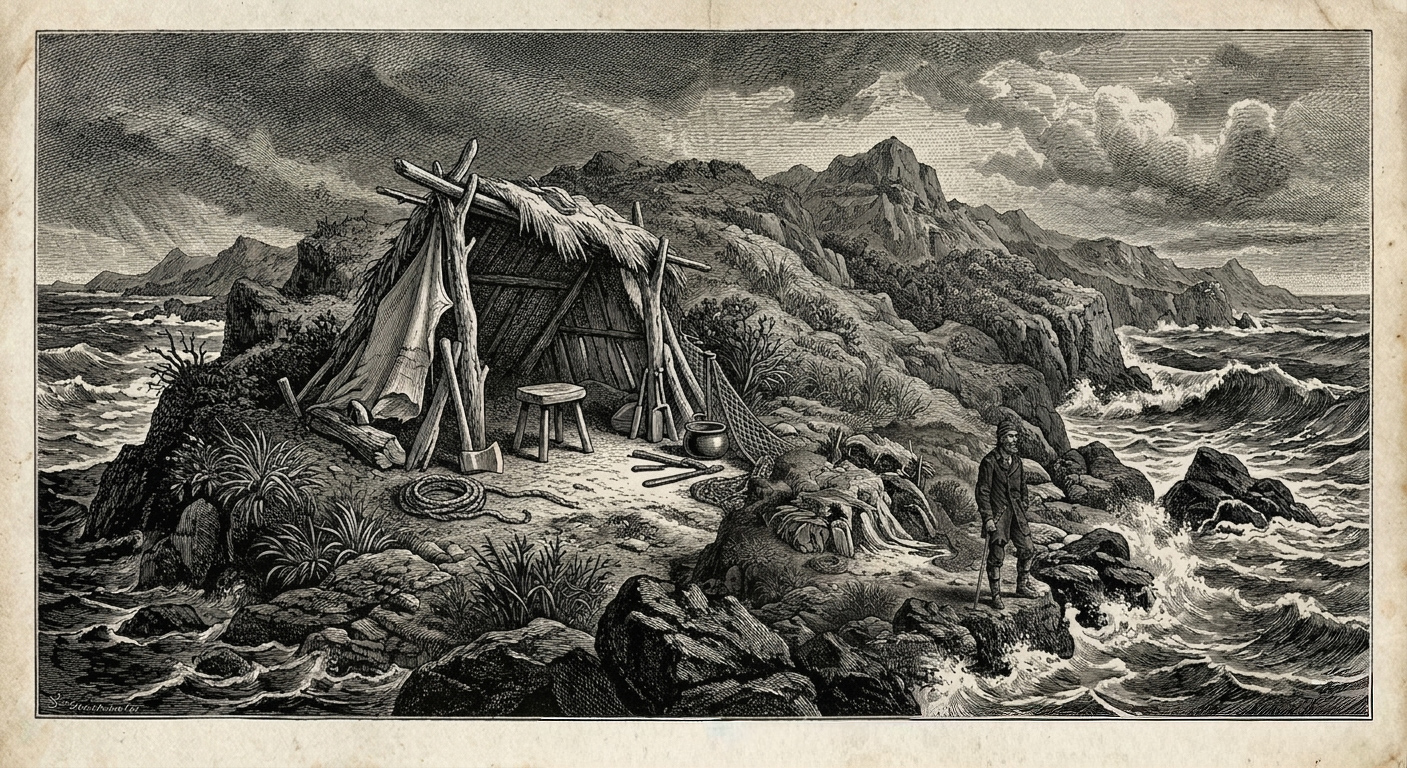
I’ve always had a soft spot for people who get stranded in inconvenient places. Not in real life, obviously. In real life I prefer water filtered, food refrigerated, and problems solvable with a phone call. I have, on at least one recent occasion, canceled a perfectly good flight because there was a faint and statistically unreasonable possibility of being stranded somewhere inconvenient. This felt, at the time, like prudence. In retrospect, it feels more like a very strong preference for systems that continue to function. But in stories, I find myself returning, with surprising consistency, to the same peculiar arrangement: a person, an island, and absolutely no one to complain to.
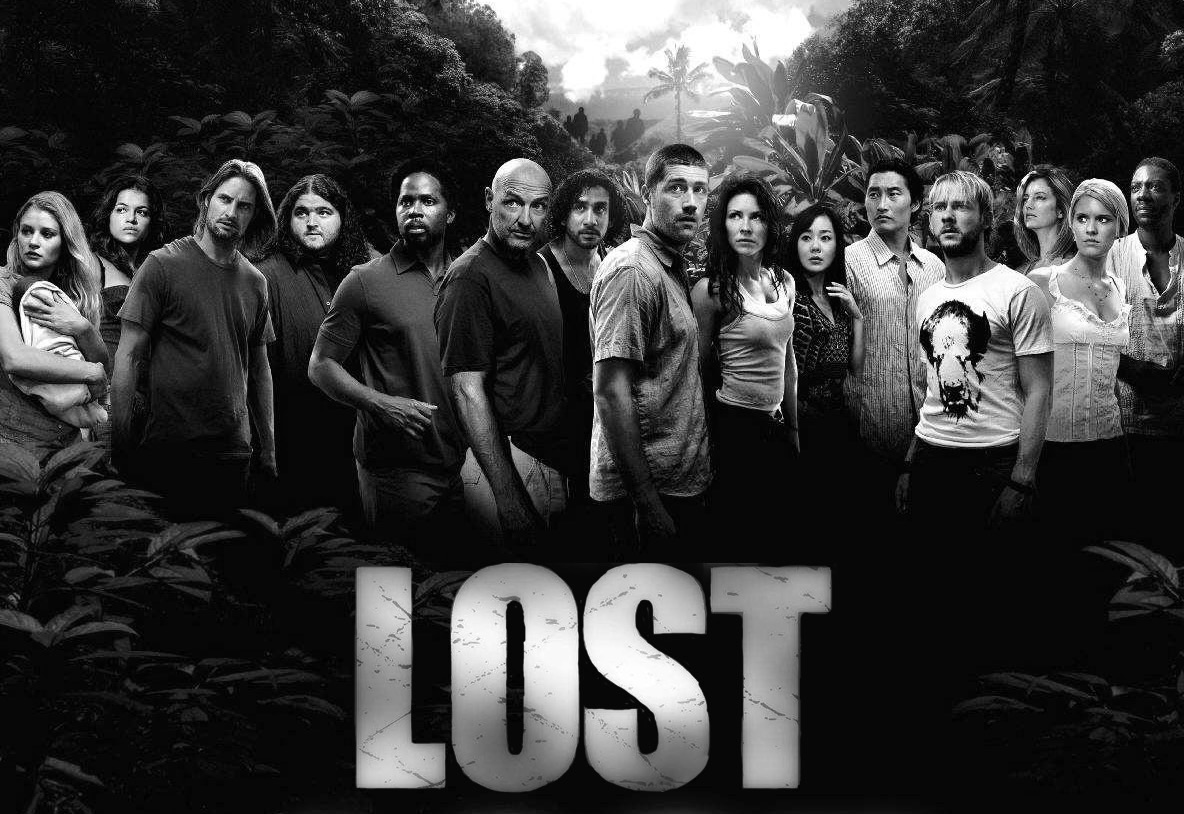
This probably explains why I watched Lost with the kind of commitment usually reserved for close relatives. The ending, as is well known, divided the world neatly into those who felt deeply satisfied and those who felt personally betrayed. I belong, somewhat unexpectedly, to the first group. Not because I understood everything that happened, which I did not, but because the premise never stopped being irresistible. Take everything away. Then see what remains.
Long before television complicated the idea with Lost’s philosophy and smoke monsters, Robinson Crusoe had already settled the matter with admirable efficiency. A man wakes up on an island. There is no system or supply chain or any instructions on a post-it note. Absolutely no quiet background hum of infrastructure making small problems disappear before they fully form. There is, instead, a series of questions that are both immediate and slightly rude in their urgency. How do you drink water without becoming ill? How do you know when a day has passed, or ten, or fifty, when nothing marks the difference except your own memory, which is not always to be trusted? How do you eat something today without accidentally eliminating the possibility of eating tomorrow? And how, after a few days of this, do you prevent your thoughts from becoming unhelpfully philosophical?
This, I think, is my real fascination. It’s not the isolation or even the adventure. It is the sudden reappearance of problems we no longer remember having.
Modern life is remarkably good at ensuring that most problems never fully arrive. A delayed flight becomes an extra coffee. A lost bag becomes a mildly worded text message. A power outage lasts just long enough for someone to remark that it is “quite something,” before everything resumes as though nothing had happened. The world is arranged, very thoughtfully, so that interruptions remain temporary. Which makes the island feel less like a place and more like a condition. On the island, nothing is handled in advance. Everything waits for you.
Crusoe does not solve this dramatically. He does not stand on a rock and declare mastery over nature. He does something both more impressive and more tedious. He begins keeping track of things. He carves notches into wood to count the days, because time, left unmeasured, has a habit of dissolving into one long afternoon. He builds a place to store what little he gathers, because losing something once is inconvenient, but losing it twice is discouraging. He discovers that repeating an action at roughly the same time each day has a calming effect, even if the action itself is unimpressive. At one point, he realizes that having a place to sit is nearly as important as having something to eat. For him, sitting is essential to survival because it introduces the possibility of pause. And pause, on an island, is a form of stability.
None of these are grand achievements. But they share a common feature. They can be done again. This is where something subtle begins to happen. Crusoe is no longer reacting to the island. He is beginning to organize it.
Survival, in its raw form, is a series of interruptions. Hunger interrupts. Weather interrupts. Uncertainty interrupts. Each day resets the problem. What Crusoe builds, slowly and without fanfare, is continuity. A small assurance that tomorrow will not be entirely unfamiliar. This turns out to matter more than any single act of ingenuity. Because once something can be repeated, it can be relied upon. And once it can be relied upon, it begins to disappear from attention. You no longer think about it. You use it.
This pattern appears in nearly every account of people placed in extreme conditions. The ones who endure are not necessarily the strongest or the most resourceful in a dramatic sense. They are the ones who, for reasons not entirely clear, begin turning one-off solutions into habits. A place becomes a system. An action becomes a routine. A moment becomes something expected. They do not eliminate uncertainty. They reduce its surface area.
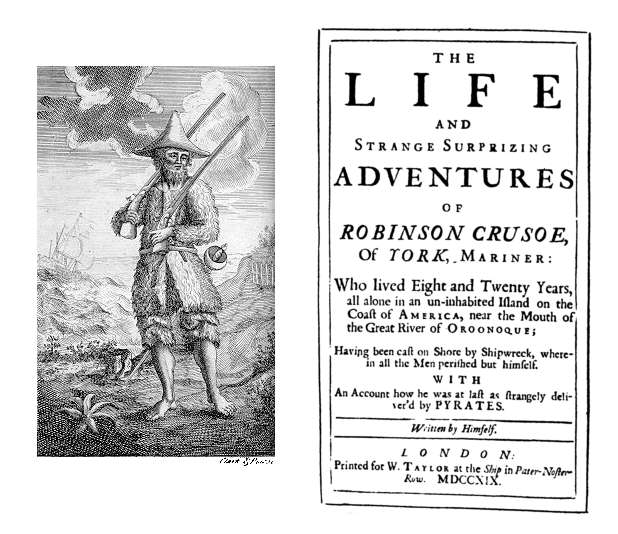
Crusoe, alone on his island, is not just surviving. He is rehearsing civilization. Not its monuments or institutions, but its underlying logic: things should happen again, in roughly the same way, with slightly less effort each time.
Crusoe had to notice everything. We are free, largely, not to. Consider, for instance, the act of making breakfast. There is a moment, usually quite early, when you open a cupboard and expect something to be there. And it is. Not because you personally ensured its presence that morning, but because an entire sequence of events has already taken place elsewhere. Someone harvested something. Someone transported it. Someone arranged it. Someone decided it would be available at precisely the moment you reached for it. You do not experience any of this. You experience breakfast.
Which is where modern life becomes slightly difficult to see clearly. Because most of what surrounds us is not ease. It is effort that has been organized. What we experience as convenience is not the absence of difficulty. It is difficulty that has already been addressed, and is still being addressed, often invisibly, by people and systems we do not see.
Crusoe had to build these arrangements himself. We arrive inside them. Which means we rarely experience survival as something we actively do. Only as something that has already been taken care of. Quietly and repeatedly. Before we notice the need for it at all.


Leave a Reply